Why we love it
Why we love it
Why we love it
Why we love it
Why we love it
Why we love it
Why we love it
Why we love it
Why we love it
Why we love it
Why we love it
Why we love it
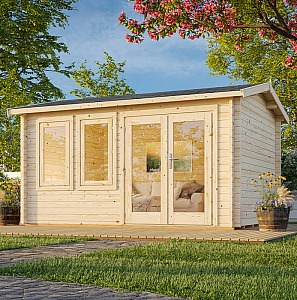
Why we love it
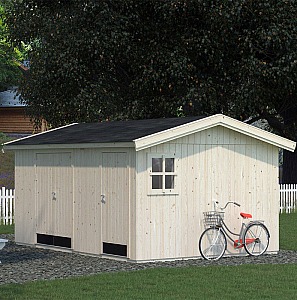
Why we love it
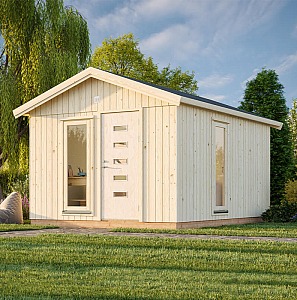
Why we love it
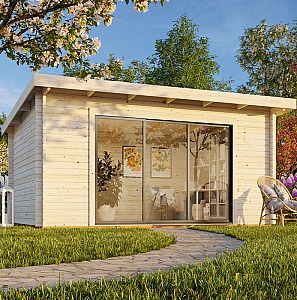
Why we love it
Why we love it
Why we love it
Why we love it
Why we love it
Compare over 28 garden offices from trusted UK retailers. Insulated garden rooms, timber pods and studios, priced and ranked in one place.
A garden office does two jobs at once. It gives you a quiet room with a door that shuts and it keeps your work out of the spare bedroom.
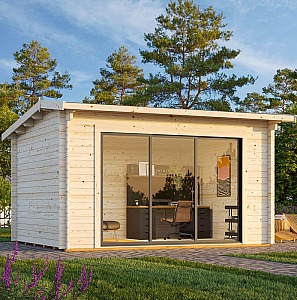
We make finding and buying the right garden office as simple as possible.
Search over 28 garden offices. Filter by size, price and cladding.
Every listing shows the floor area, cladding, glazing and warranty. No guesswork.
We link directly to the retailer with the best current price — saving you time and money.
Your garden office is delivered free to most UK mainland addresses, with a booked installation slot.
Join the UK homeworkers who found the right garden office through Dream Garden Office. Live prices, honest specs, trusted retailers.
Choosing the best garden office comes down to four things: size, insulation, cladding and where it sits in your garden. Whether you want a compact garden office pod for one desk, a classic timber garden room for a family home, or a wide garden studio with a storage bay, the right one gives you a workspace that suits your plot and your budget.
At Dream Garden Office we compare hundreds of buildings from leading UK retailers — including Shire, Forest Garden, Mercia, Rowlinson, Palram and Lugarde — so you can see every option side by side and find the best price fast.
A garden office earns its keep from the first Monday morning. It puts a door between your work and your home, so calls stay quiet and the laptop stops living on the kitchen table. Anyone working from home three days a week gets back the space a spare room was swallowing. Bikes, files and kit stay dry and close to hand too.
There is a plain financial gain as well. A house extension means builders inside your home for months and a far bigger bill. An insulated garden room with power and broadband turns a spare corner into a working room, which is why many owners rate it as their best purchase. It is one of the cheapest ways to add usable floor space.
Garden offices are quoted as width x depth, usually in metres. Width runs across the front, depth is how far back it goes. Here are the sizes that cover most UK gardens:
Two buildings at the same size can behave very differently in winter and in wind. These are the specifications worth comparing:
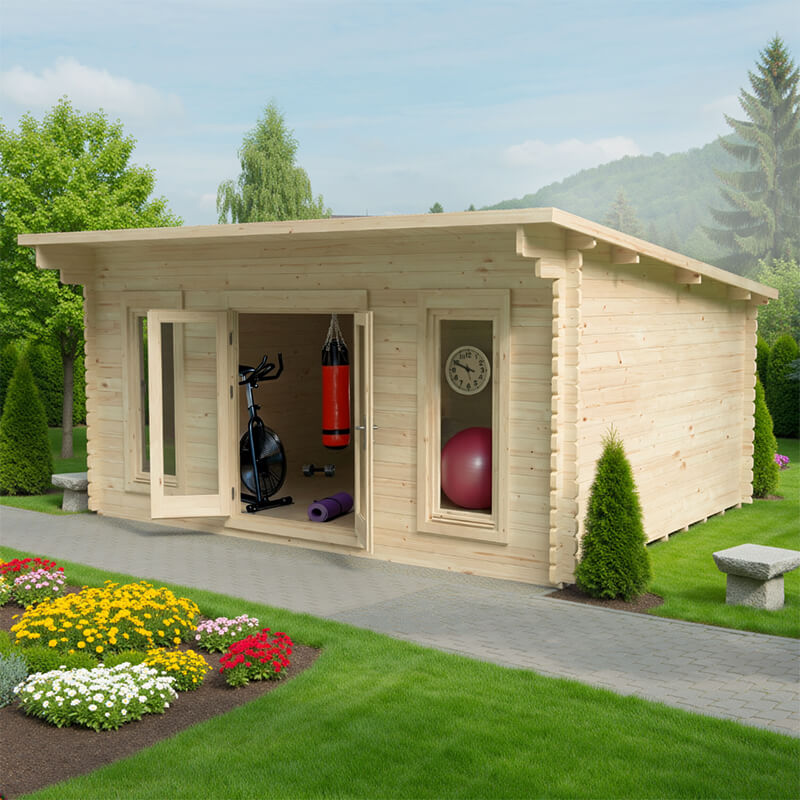
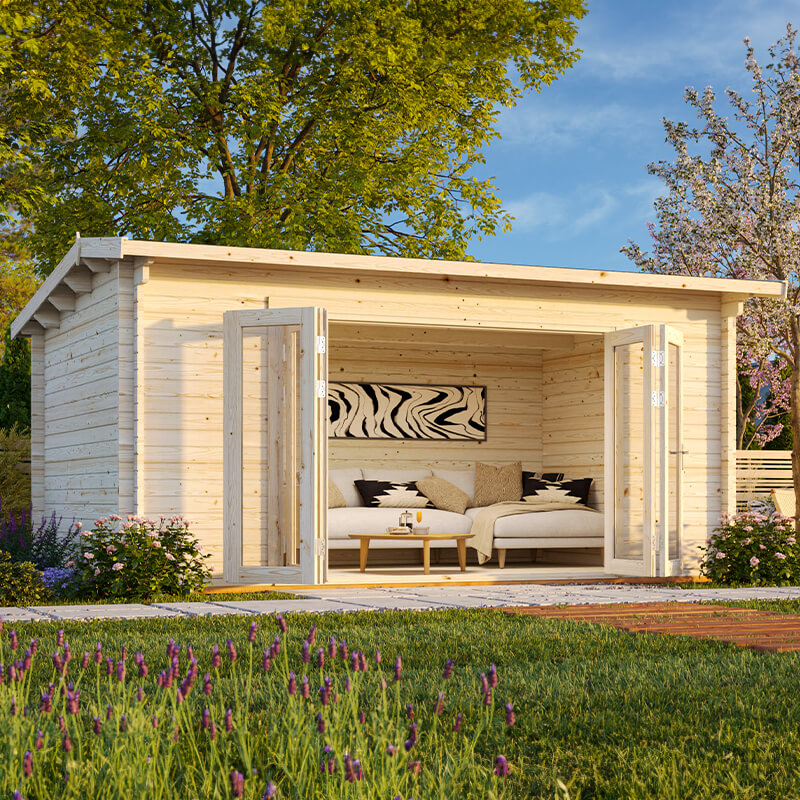
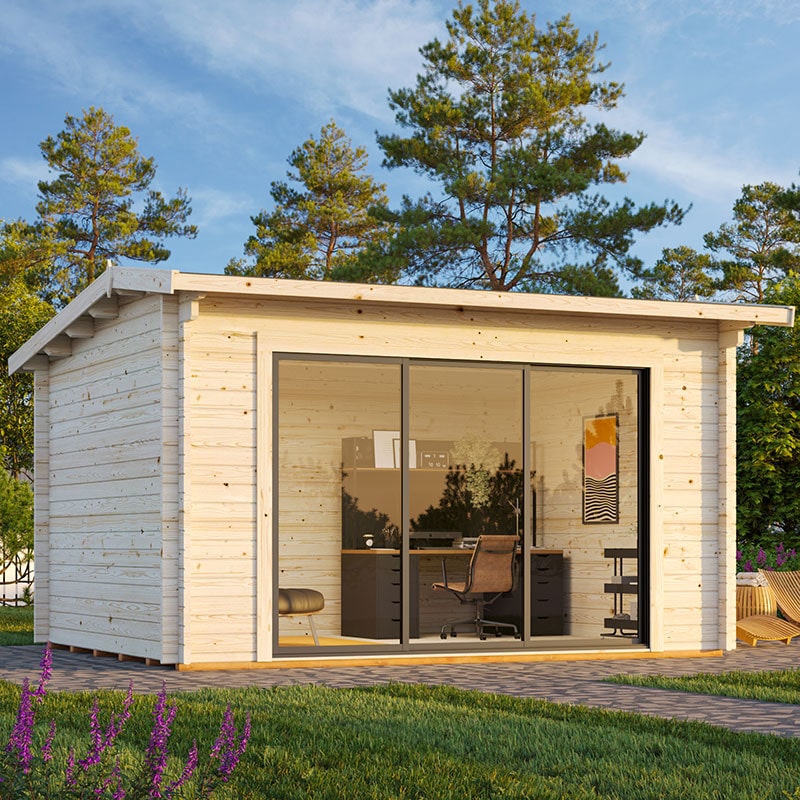
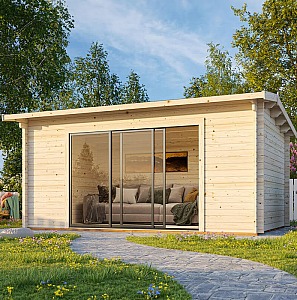
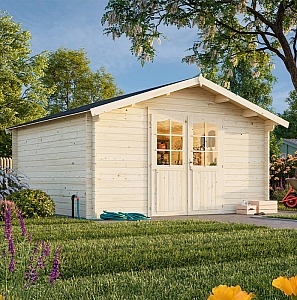
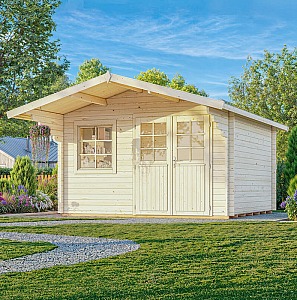
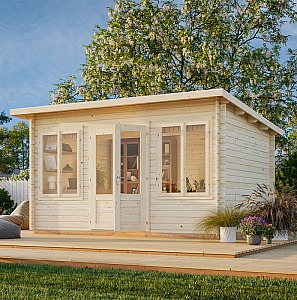
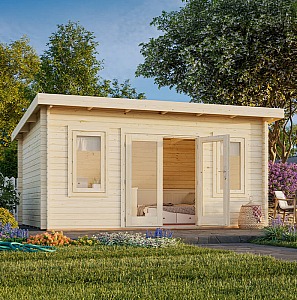
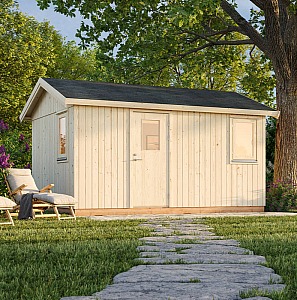
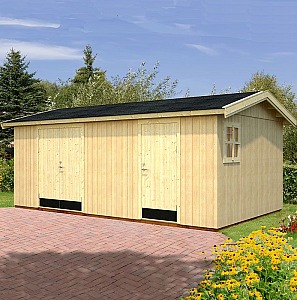
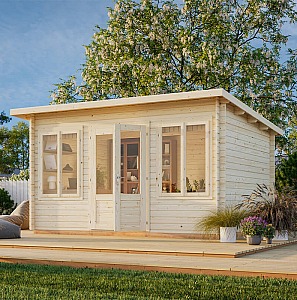
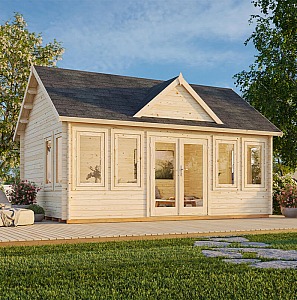
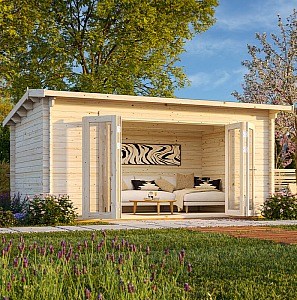
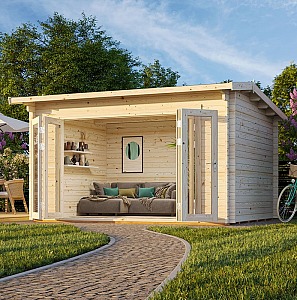
Three shapes dominate UK garden offices. A pent garden office has a single sloping roof, cheapest to buy and easiest to keep under the 2.5m boundary limit and it suits small gardens. An apex garden room has a traditional pitched roof, usually clad in cedar or shiplap timber and it reads as a natural garden feature.
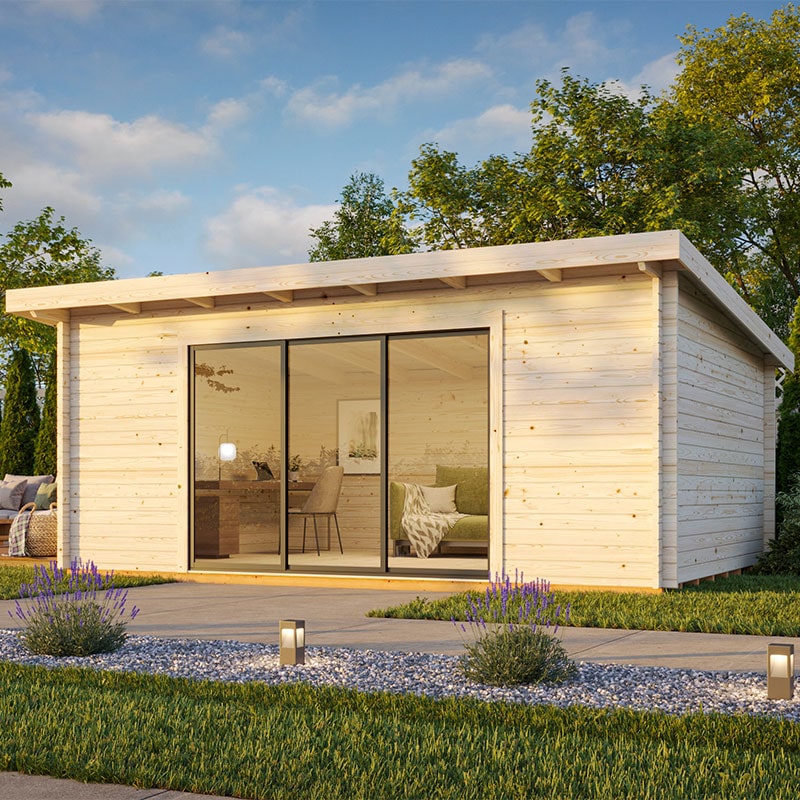
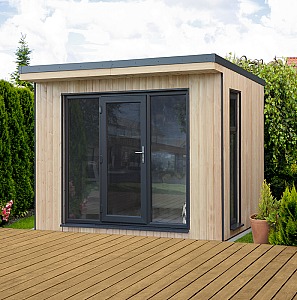
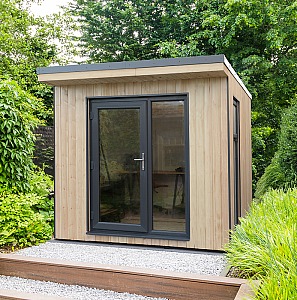
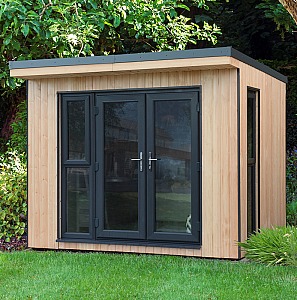
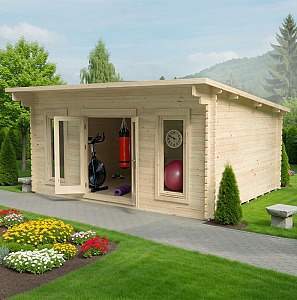
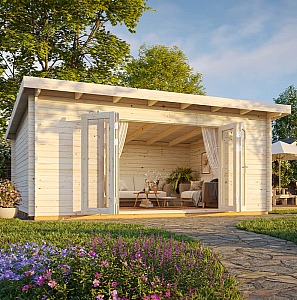
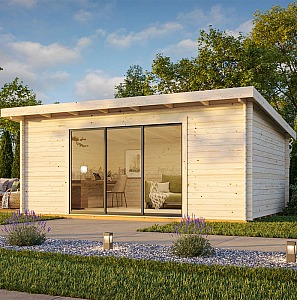
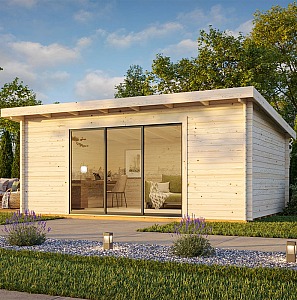
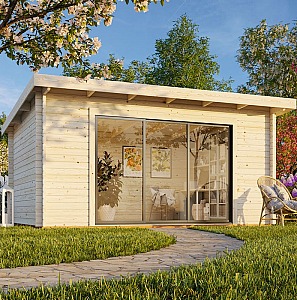
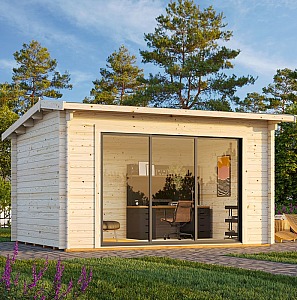
A garden office pod gives a flat contemporary roofline and full-height glazing, throwing light evenly across the room. Sliding doors and a canopy overhang are worth considering on larger models.
Most retailers we compare offer free UK mainland delivery on garden offices as standard, which counts for a lot given the pallet sizes involved. Typical lead times run from 2 to 8 weeks, with most retailers booking a fitting day in advance. Check the product page for your postcode, as parts of Scotland, Northern Ireland and the islands can carry a surcharge.
Garden offices arrive as panels with fixings and instructions. Allow one to three days for a 3 x 3m insulated garden office with a two-person team; larger studios take longer and are heavy enough to justify the supplier’s own fitters. Always level the base first, since a poor start makes the whole build harder.
A garden office normally counts as permitted development and does not require planning permission, so long as it stays within the usual limits for garden outbuildings: under 2.5m high within 2m of a boundary, no more than half the garden covered, single storey and not sited forward of the house. Listed buildings and homes in conservation areas or national parks follow tighter rules — ask your local planning authority before you order.